


Invisalign or Hidden Braces? Choosing the Right Discreet Orthodontic Treatment
27/09/2026
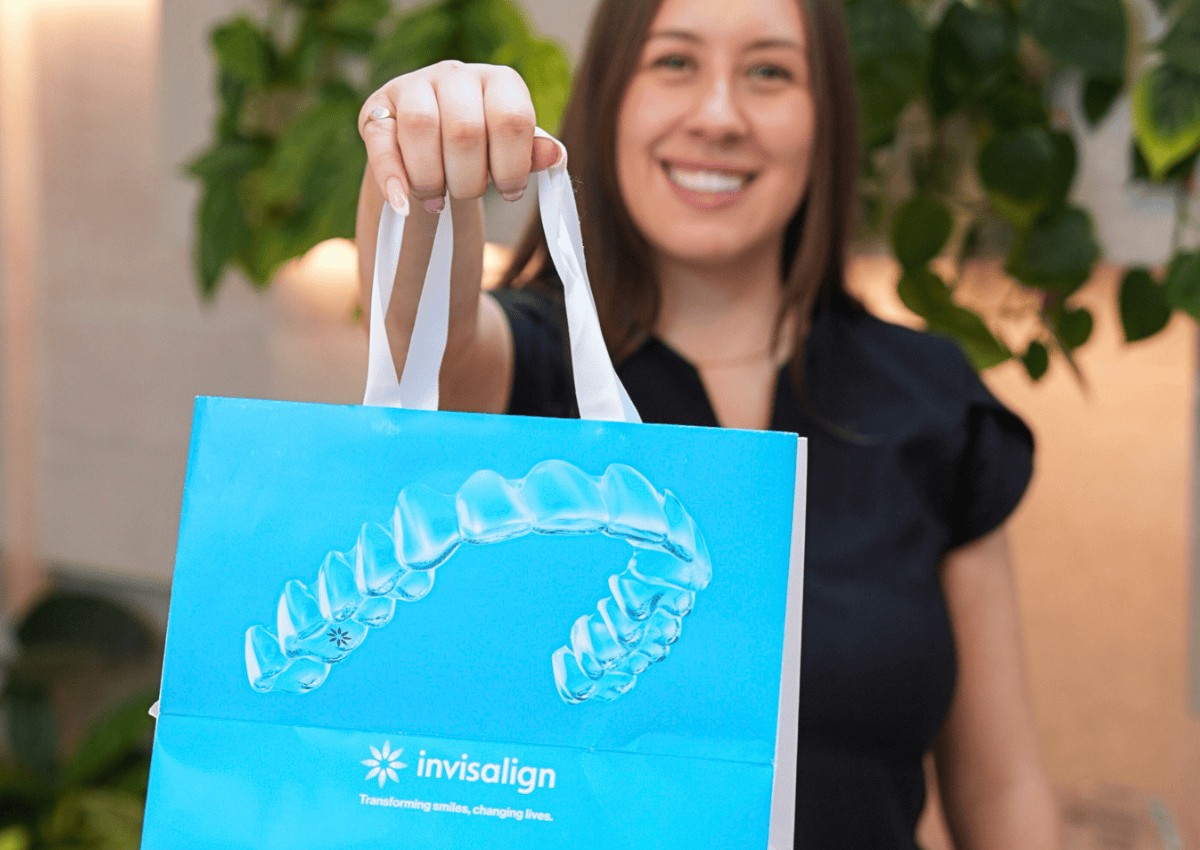
Many adults considering orthodontic treatment want the same three things: straighter teeth, a healthier bite and a treatment that does not draw attention in professional or social settings.
For straightforward cases, the choice may seem relatively simple. However, significant crowding, a deep bite or a more complex relationship between the upper and lower teeth requires more than simply aligning the visible front teeth. The treatment must also correct the underlying bite predictably and produce a result that remains stable.
At Dental On The Banks, we provide specialist adult orthodontic treatment for patients from Bournemouth, Poole and the surrounding areas. Our patients are not limited to one discreet orthodontic system. Following a specialist assessment, we can recommend Invisalign clear aligners, hidden lingual braces or another appropriate treatment based on the clinical requirements of the individual case.
Discreet Orthodontic Treatment Should Not Automatically Mean Invisalign
Invisalign is often the first treatment people associate with invisible or discreet orthodontics. Clear aligners can be an excellent option, including for many cases involving crowding and bite correction.
However, Invisalign should not be selected purely because it is discreet. The most important question is not simply: “Can I have Invisalign?” It is: “Which discreet treatment is most likely to correct my teeth and bite properly?”
Answering that question requires an understanding of how different appliances move teeth, how predictable particular movements will be and whether the patient will be able to wear the aligners as prescribed.
In some complex cases, clear aligners may still be the best option. In others, a fixed appliance may offer greater control. This does not necessarily mean wearing visible metal braces, because lingual braces can be fitted behind the teeth and remain almost completely hidden.
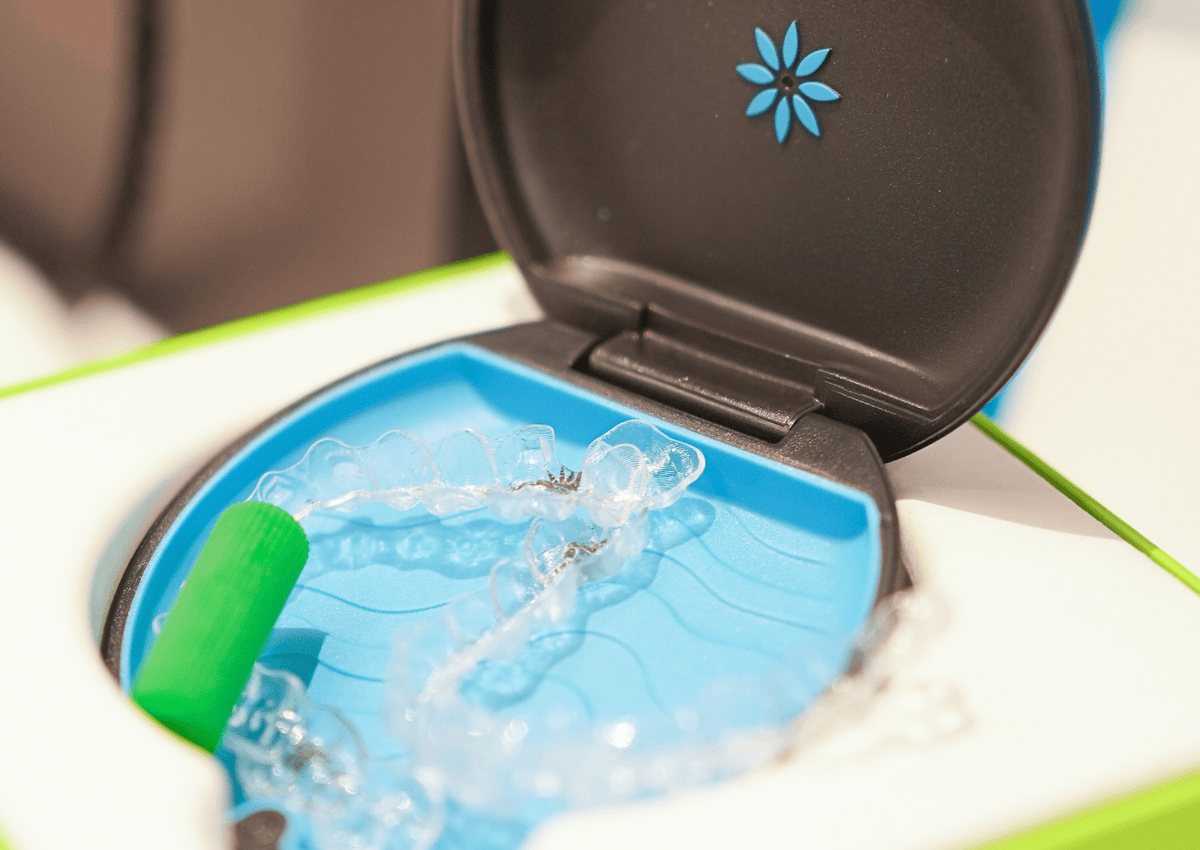
Can Invisalign Treat Significant Crowding and a Deep Bite?
Invisalign can treat much more than minor cosmetic misalignment. With appropriate planning and supervision, clear aligners may be used to manage:
- Moderate or significant dental crowding
- Deep bites
- Spacing between the teeth
- Protruding teeth
- Some open bites and crossbites
- Relapse following previous orthodontic treatment
- More complex adult orthodontic problems
Nevertheless, complex aligner treatment is highly dependent on diagnosis and planning. The aligners themselves are only the appliance; they do not make the clinical decisions.
Attachments, elastics, tooth movement sequencing, space creation and bite correction must all be considered carefully. Some cases may also require additional stages or refinements to achieve the intended result.
This is why experience in treating difficult aligner cases matters. A specialist orthodontist can assess not only whether Invisalign could move the teeth, but whether it offers the most predictable way to correct the entire bite.
Why Correcting the Bite Matters
Adults sometimes seek orthodontic treatment because they dislike a few crowded or overlapping front teeth. However, the position of those teeth may only be the most visible part of a wider orthodontic problem.
A deep bite occurs when the upper front teeth overlap the lower front teeth more than they should. Depending on its severity, it may contribute to:
- Excessive wear of the front teeth
- Trauma to the gums or palate
- Chipping or damage to the edges of the teeth
- Difficulty restoring worn teeth
- An unstable orthodontic result if the bite is not corrected
- An unbalanced appearance of the smile
Simply straightening the front teeth without addressing the deep bite may produce an initial cosmetic improvement, but it may not deliver the best functional or long-term outcome.
Our aim is to plan treatment around the teeth, bite, supporting tissues and facial appearance as a whole—not just the most visible area of crowding.
What are Lingual Braces?
Lingual braces are fixed braces attached to the inside surfaces of the teeth. Because they sit behind the teeth, they provide the control of a fixed appliance without being readily visible when you speak or smile.
They can be particularly valuable for adults who:
- Do not want visible fixed braces
- Would prefer a completely hidden treatment
- Have a complex bite requiring detailed tooth control
- Are concerned that aligner wear may not fit their lifestyle
- Want an alternative if clear aligners are not the most predictable option
Lingual braces are not required for every complex case, and they have their own practical considerations. They can initially affect speech, require careful cleaning and may take time for the tongue to adapt to them.
The benefit of attending a practice that provides both clear aligners and lingual orthodontics is that the recommendation does not have to begin with a single predetermined appliance.
Invisalign or Lingual Braces: How is the Decision Made?
There is no single correct appliance for every adult orthodontic patient. During a specialist consultation, we consider several factors.
The type and severity of the tooth movements: Some movements are highly predictable with clear aligners, while others may benefit from the additional control of a fixed appliance.
The bite: Correcting a deep bite, crossbite, open bite or discrepancy between the jaws may influence which treatment is most appropriate.
The health of the teeth and gums: Existing restorations, gum health, previous dental treatment and any tooth wear must be considered before treatment begins.
The patient’s priorities: For some patients, being able to remove the appliance for meals is extremely important. Others would prefer a fixed appliance that works continuously without relying on daily aligner wear.
Lifestyle and compliance: Invisalign aligners usually need to be worn for approximately 20–22 hours each day. If that is unlikely to be realistic, a hidden fixed appliance may be a more dependable solution.
Predictability: Above all, we consider which option is most likely to achieve the required result safely and reliably.
In certain cases, a combination or hybrid approach may also be considered. Orthodontic treatment does not always have to fit into a single category.
Why See a Specialist Orthodontist for Complex Adult Treatment?
All orthodontists first qualify as dentists before completing further postgraduate specialist training in orthodontics.
Complex adult treatment can require decisions about anchorage, bite correction, root position, space management and the limitations of different appliances. A specialist orthodontist is trained to diagnose and manage these problems across the full range of orthodontic treatments.
This becomes especially valuable when a patient wants a discreet solution but does not want appearance to take priority over the quality or predictability of the clinical result.
At Dental On The Banks, our specialist orthodontists have extensive experience in Invisalign treatment, including more challenging adult cases. We can also offer lingual orthodontics for suitable patients who want a fixed appliance positioned behind the teeth.
This allows us to begin with the clinical problem and the patient’s priorities, rather than trying to make every patient fit one particular treatment system.
Specialist Adult Orthodontics in Bournemouth and Poole
Dental On The Banks welcomes adult orthodontic patients from Bournemouth, Poole and across Dorset.
During your consultation, we will assess your teeth and bite, discuss what you would like to change and explain the suitable treatment options. If Invisalign is capable of delivering the best result, we can plan your clear-aligner treatment accordingly. If a hidden fixed appliance would provide greater control or predictability, we can discuss lingual braces.
Our goal is not simply to provide the most discreet appliance. It is to identify the most appropriate discreet treatment for your individual case.

Frequently Asked Questions
Can Invisalign correct a deep bite?
Invisalign can correct many deep bites, but suitability depends on the cause and severity of the bite, the required tooth movements and the patient’s ability to wear the aligners consistently. A specialist assessment is needed before recommending treatment.
Are lingual braces completely invisible?
Lingual braces are attached behind the teeth, so they are generally not visible when you smile. They are one of the most discreet fixed orthodontic options available.
Are lingual braces better than Invisalign?
Neither treatment is universally better. Invisalign may be ideal for one patient, while lingual braces may offer more appropriate control for another. The best choice depends on the bite, complexity of treatment, lifestyle and individual priorities.
Can adults have orthodontic treatment in their forties or later?
Yes. There is no upper age limit for orthodontic treatment, provided the teeth and supporting gums are sufficiently healthy. Many adults begin treatment in their forties, fifties or later.
Do I need to know which brace I want before booking?
No. You do not need to decide between Invisalign and lingual braces before your consultation. The purpose of the assessment is to understand the problem, discuss your priorities and explain which treatment options are most suitable.
Book an Adult Orthodontic Consultation
If you are looking for discreet adult orthodontic treatment in Bournemouth or Poole, particularly for crowding, a deep bite or a more complex orthodontic problem, we would be pleased to assess your options.
Contact Dental On The Banks to arrange a consultation with one of our specialist orthodontists and discover whether Invisalign, hidden lingual braces or another orthodontic approach would be most appropriate for you.
< Back to Blog


